... I realized I'd been wrong. And I reluctantly contacted my good friend and we went to the IMAX show of Rampage. And I had an amazing time.
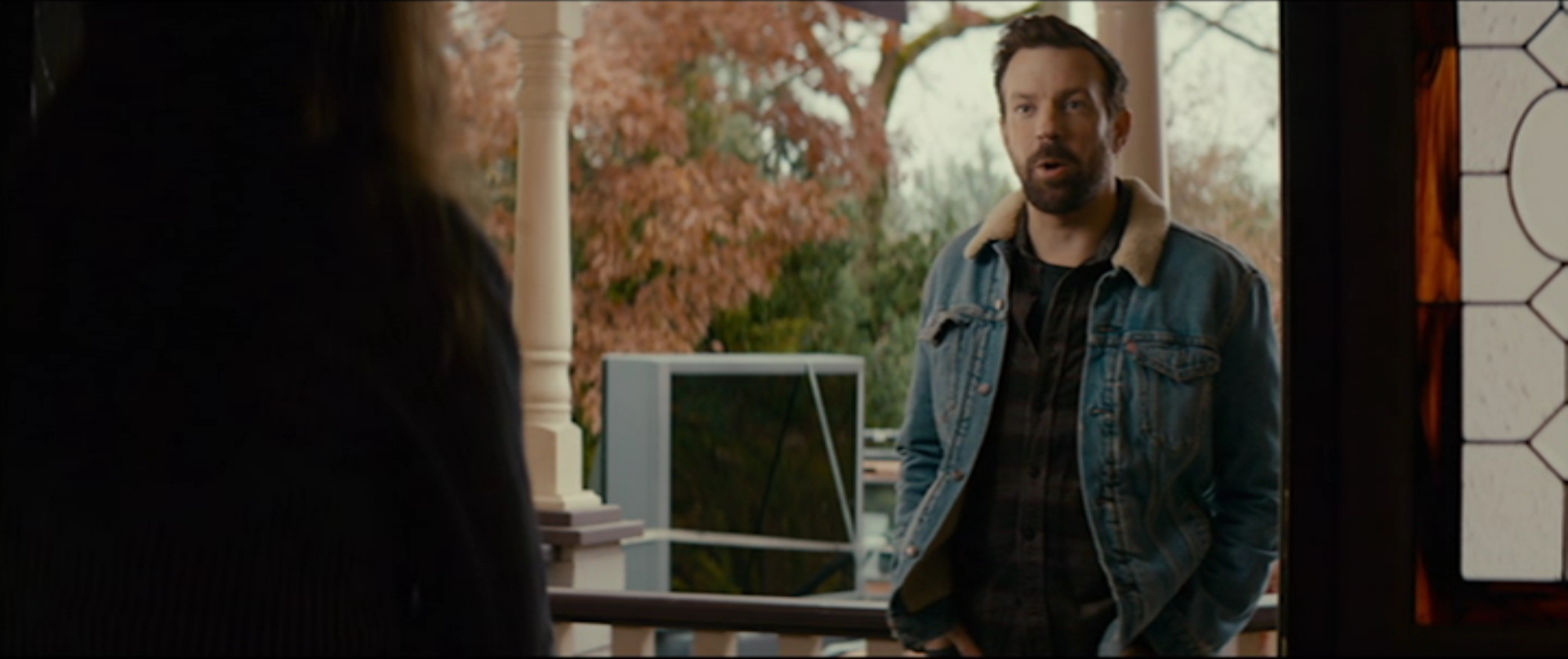
Rampage is truly an American kaiju film. It's really an action film that happens to include giant monsters. And that's not a criticism. The Host is a crime film that happens to involve a huge mutated fish. And it’s a magnificent film. Rampage has all the elements of a typical action film: a hypermasculine action protagonist who manages to shrug off a bullet, the destruction of a lot of property. Come to think of it, I’m surprised that this hasn’t been done before. The action protagonist and sensibility is what differentiatsd this film from, say, Cloverfield, in which the protagonists are simply there to watch what’s happening. Protagonist Davis Okoye is there to solve plot problems, rather than watch the plot unfold. He also has a convenient background that allows him to perform a a lot of actions what would baffle the average person. He’s a primatologist who was Special Forces, so he knows how to fly a helicopter, when it becomes useful. Quite the Action Hero guy.
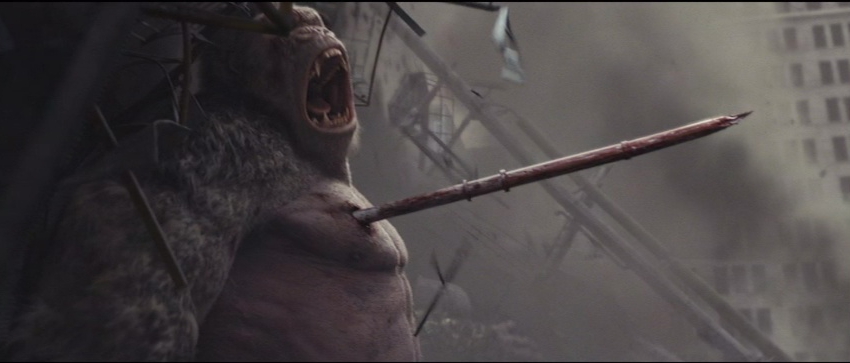
The other indicator of action film ethos is the large amount of gunfire. When the military shows up, they bring in s a lot of guns, including an A-10 Warthog. And unlike the standard kaiju film where the missiles and bullets just bounce off, the bullets that hit George, for example, make holes. By the end, despite his mutant healing factor, George is looking pretty rough.
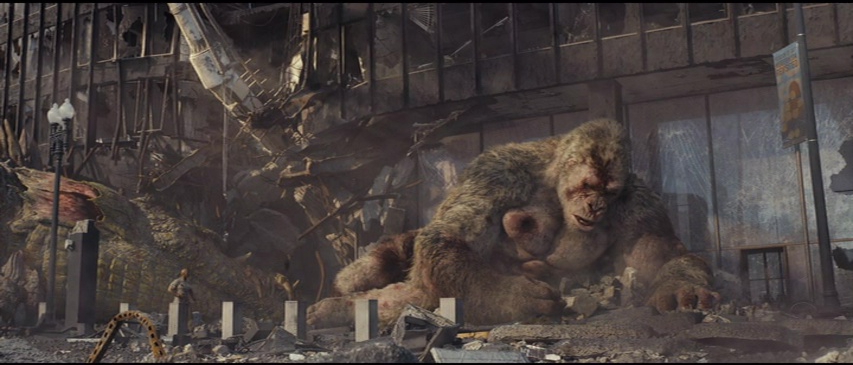
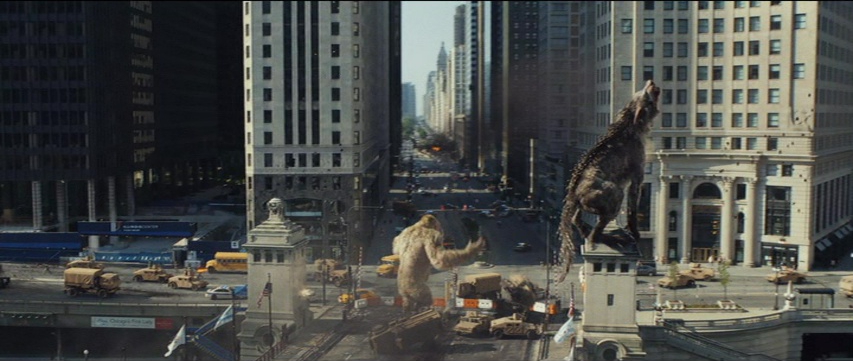
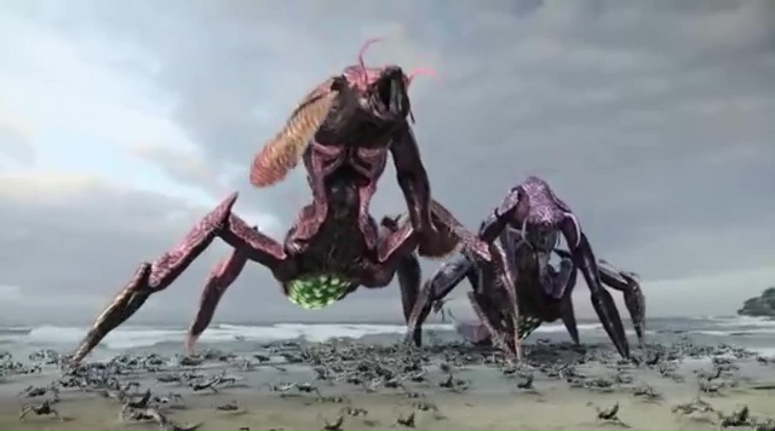
Anyway, about the monsters. They are all exposed to a goofy MacGuffin, canisters with a genetic editing delivery system. It's been fascinating to watch genetic manipulation become the new way monsters are created. In the thirties, it was gland transplants, in the fifties and sixties, it became radiation, after that, pollution, and now genetic tampering. Anyway. George the gorilla, Ralph the wolf and Lizzie, who's either an alligator or a crocodile (I'm going to say croc for the rest of the post) are exposed and go on a… rampage. In Chicago.
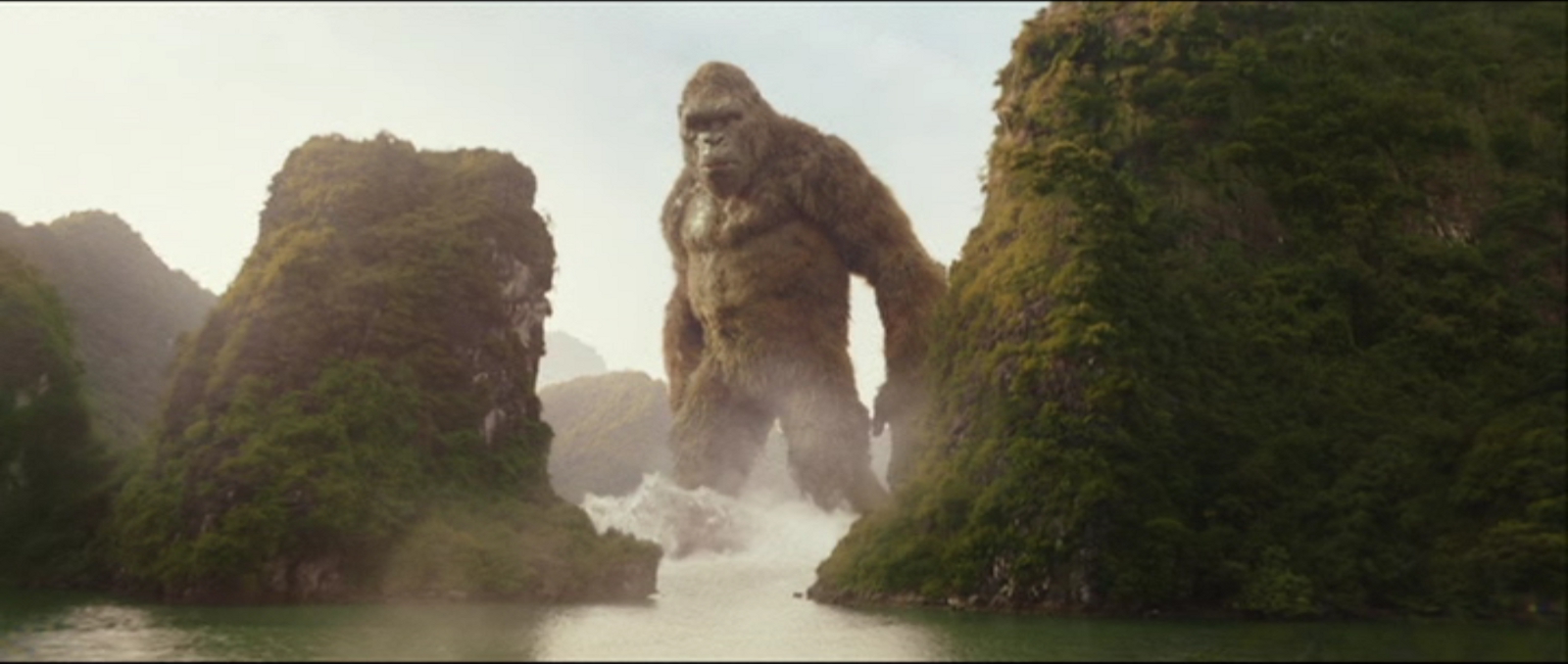
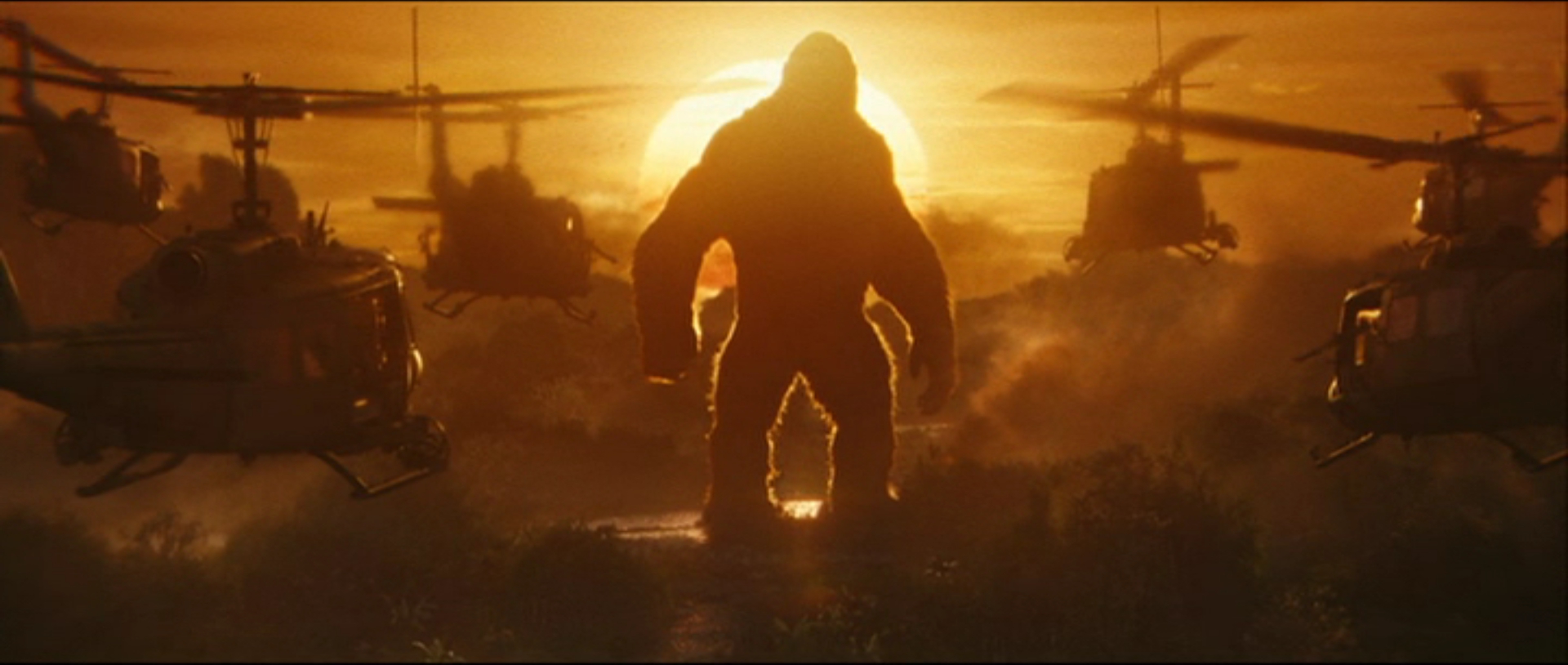
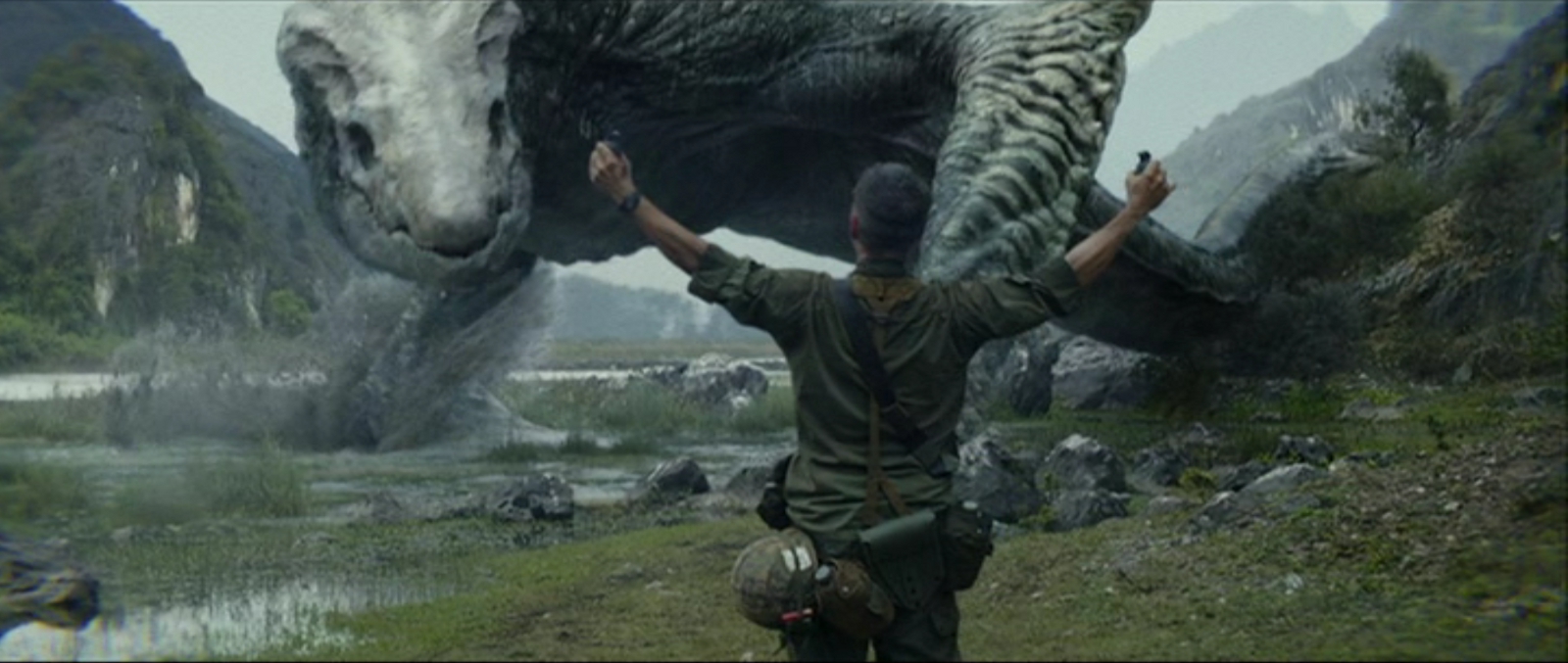
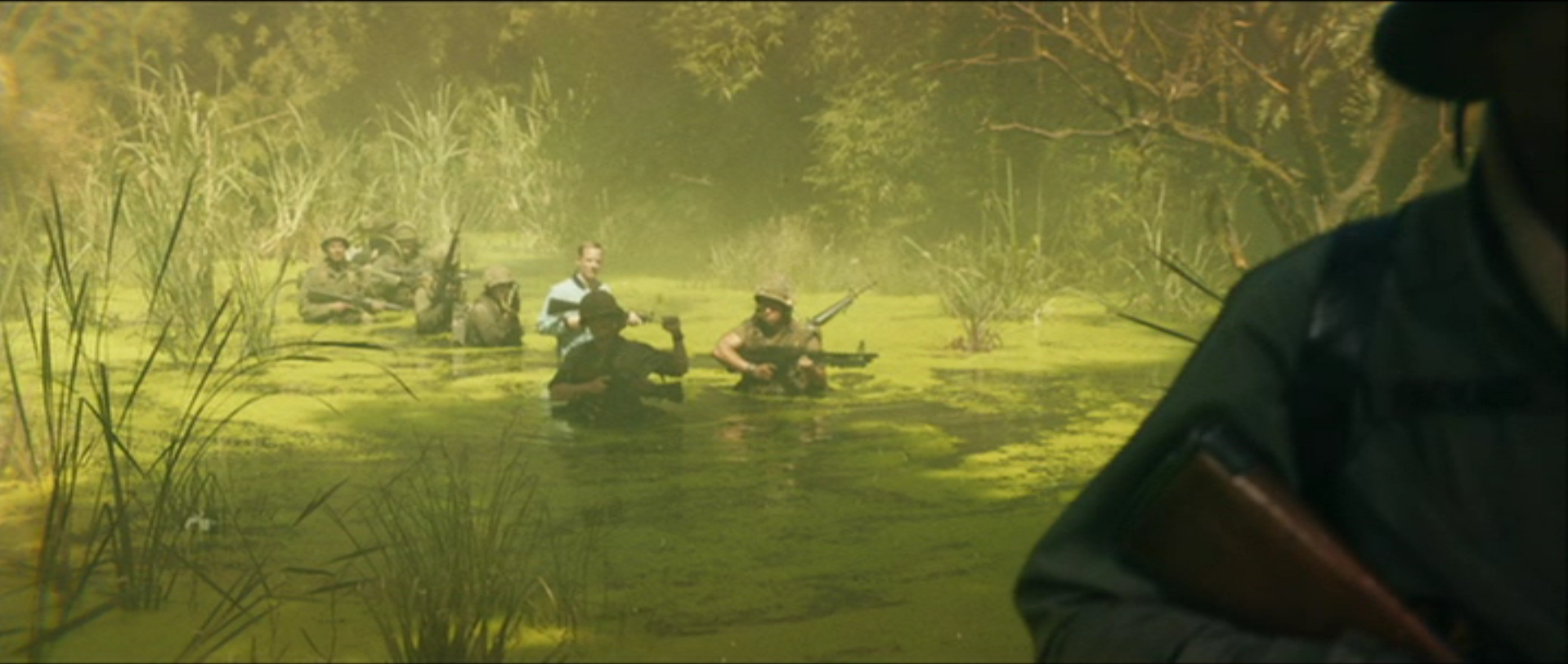
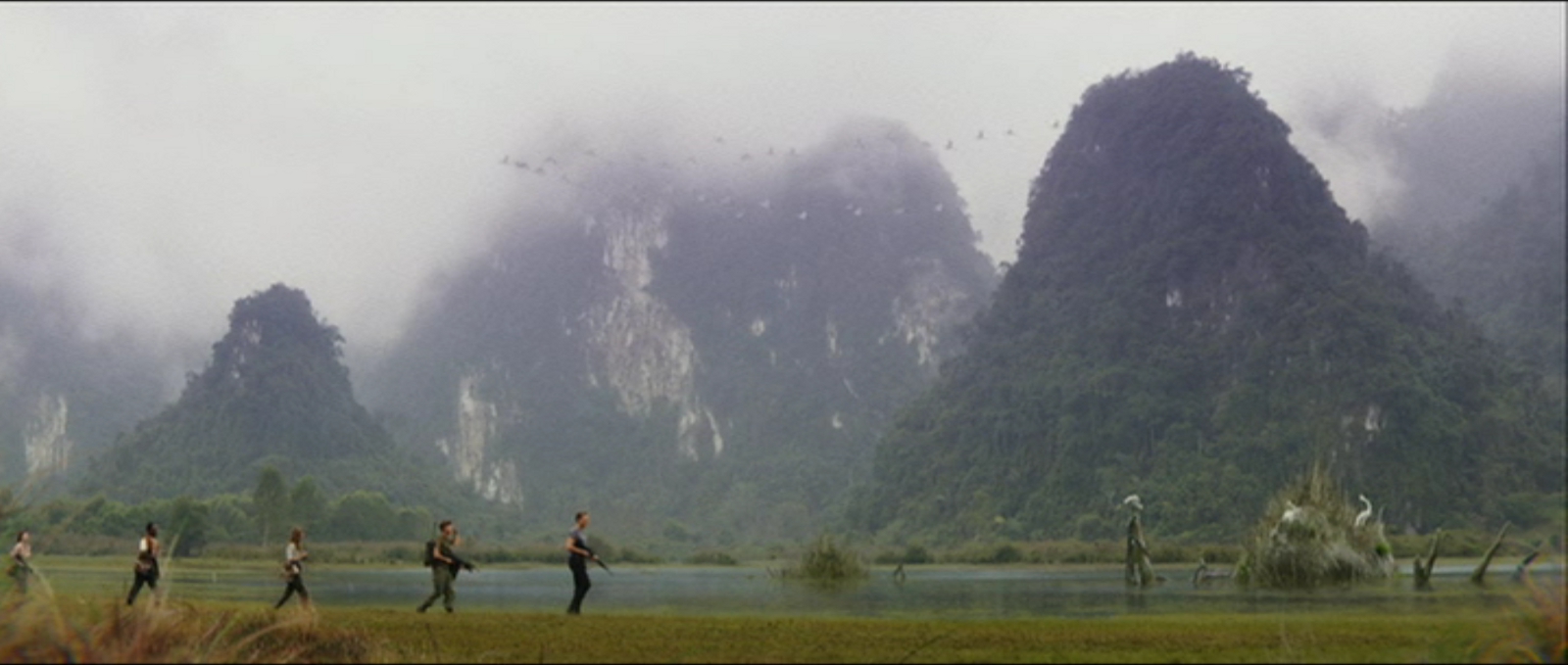
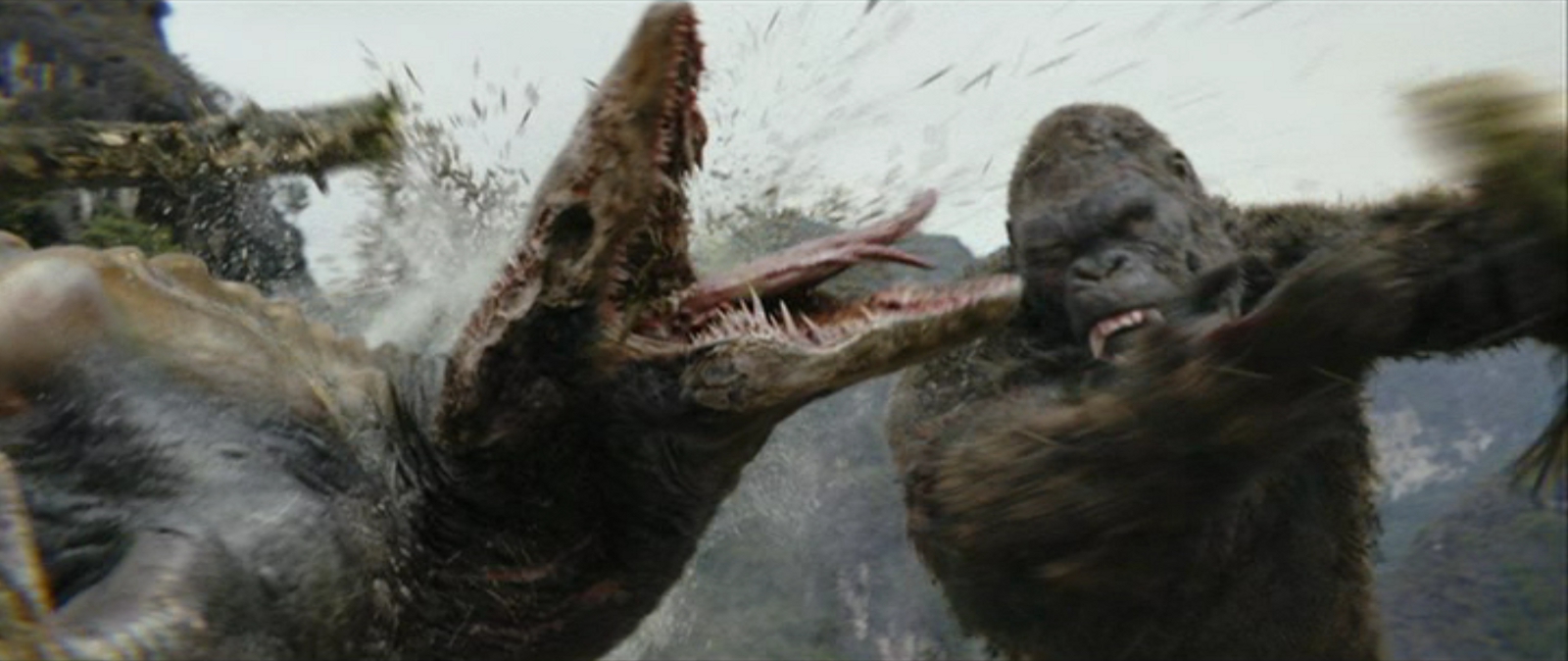
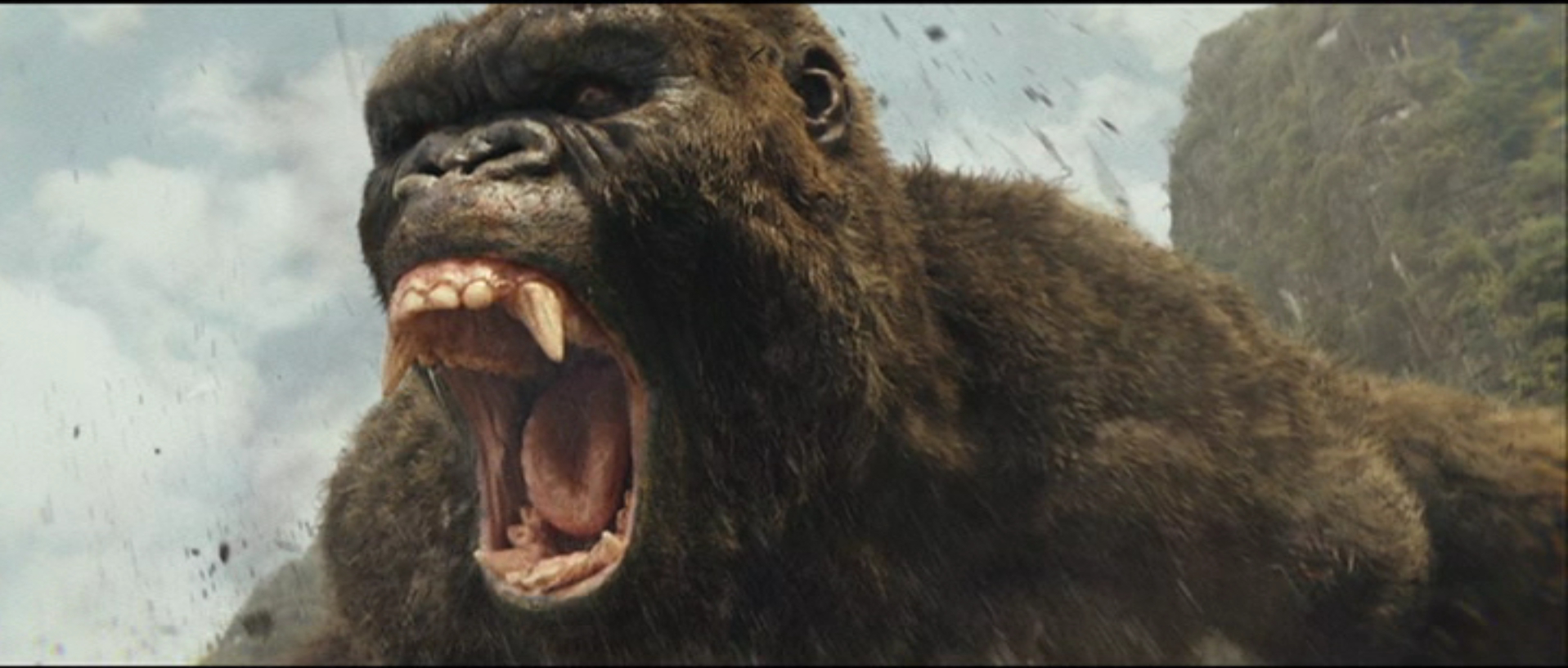
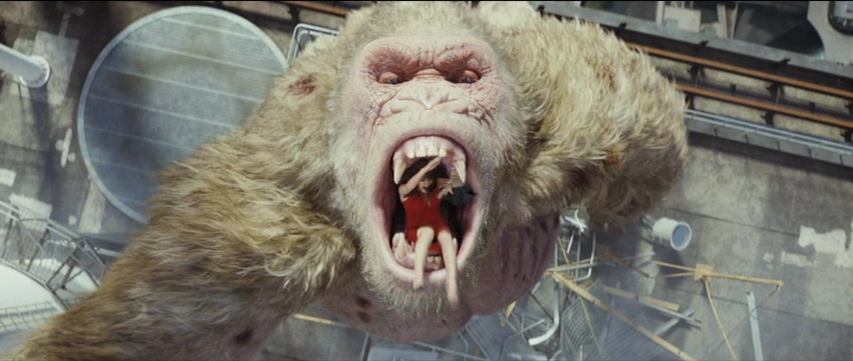
Our buy-in kaiju is George the gorilla. He’s Okoye’s best friend, the most human-like, and the least mutated by the MacGuffin. But like only the most recent Kong, Skull Island, this gorilla eats people. And he maintains sympathy, even though Kong: Skull Island cuts away from the giant gorilla actually eating the soldier, Rampage treats us to a long, beautiful shot of the woman in the red dress goes down George's gullet. In the original screenplay, George was to die at the end of the film, probably as penance for eating humans. More on this later.
George is an albino, which was done because it's difficult to see bloody holes in dark brown or black fur. This differentiates him from Kong, but also lets the damage show. And that's the real thing about Rampage. Although the bullets and explosives aren't the plot solution, (I'm looking at you 1998 Godzilla) they do hurt the monsters. George, as the protagonist, gets shot, impaled, mauled, and really banged up. Unlike Japanese films, where the only thing that can really affect a giant monster is another giant monster, there’s a lot of things that can hurt George. It doesn’t actually slow him down, any more than being shot slows Davis down.
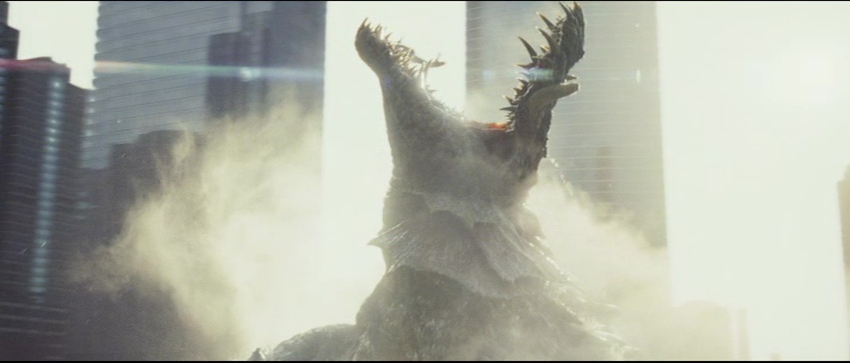
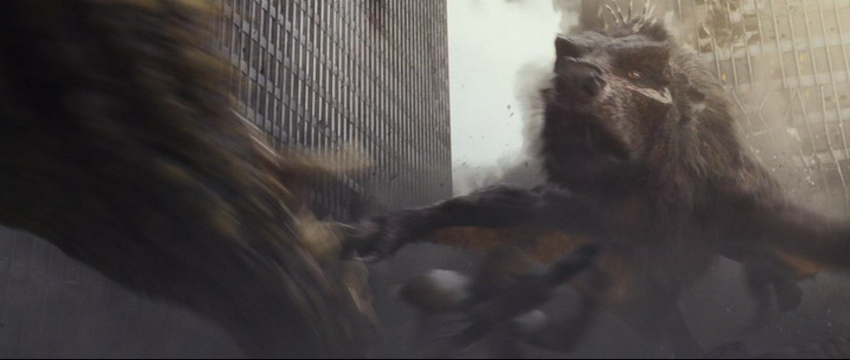
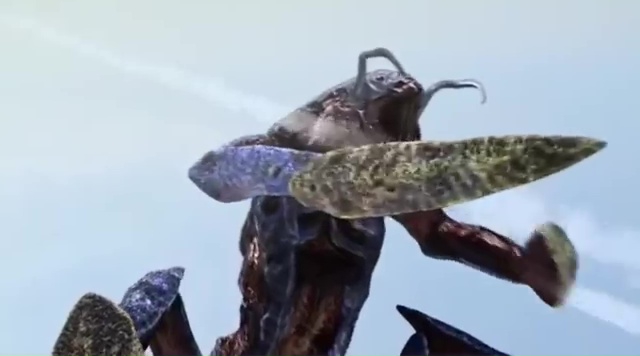
Ralph is the intermediate monster. He gets a fair amount of screen time early on, when a mercenary group is sent out to deal with this second giant monster. Ralph is at base a wolf, but in addition to mass, gains porcupine quills and membranes between his legs allowing him to glide like Varan the Unbelievable. Ralph also seems to instinctively know how these work, and controls himself well while in the air. But he’s ultimately the kaiju we spend the least time with. Although mammalian, he’s not humanoid, and doesn't present with a complex emotional life. Like George, we watch him eat people, but they're all bad people, mercenaries in the employ of
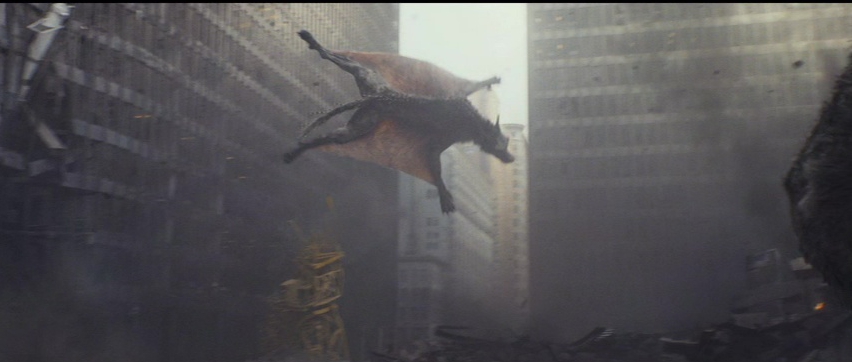
He also serves to show how monstrous Lizzie is, since she makes short, bloody work of him.
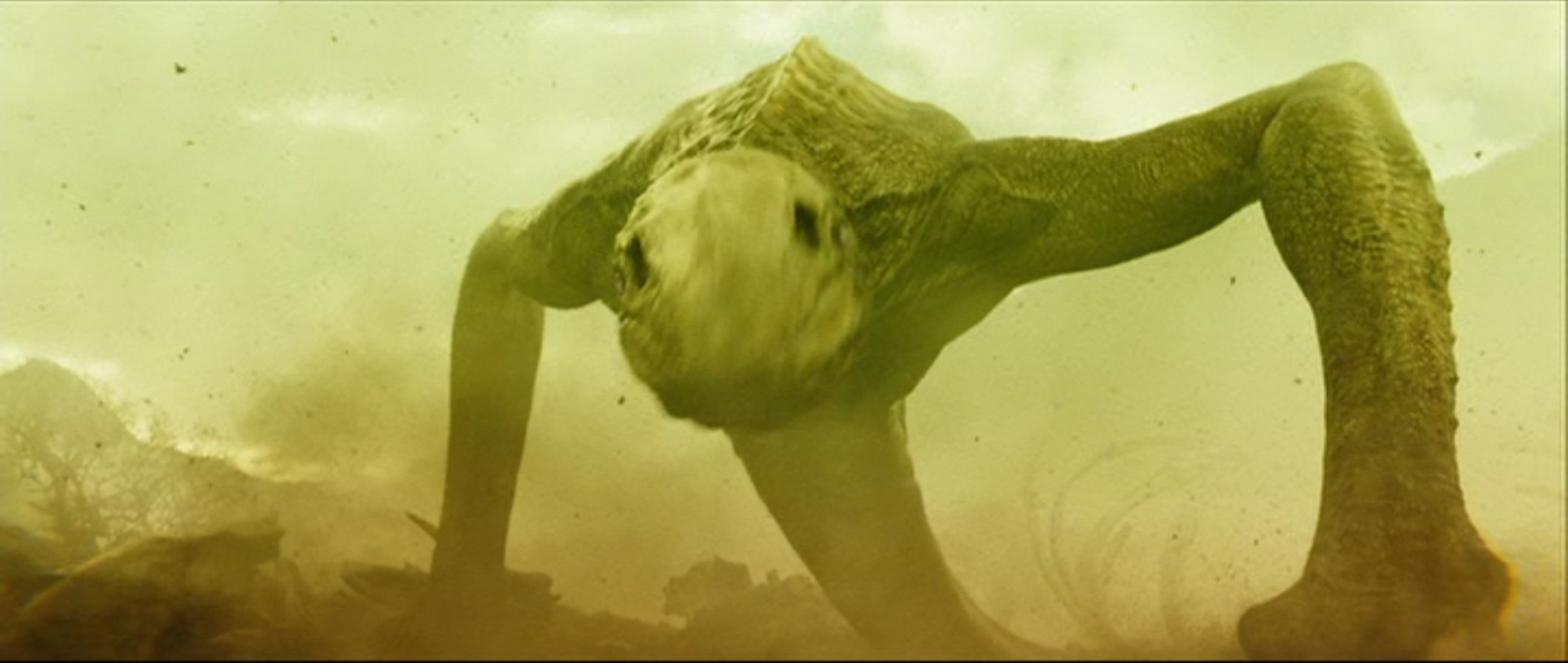
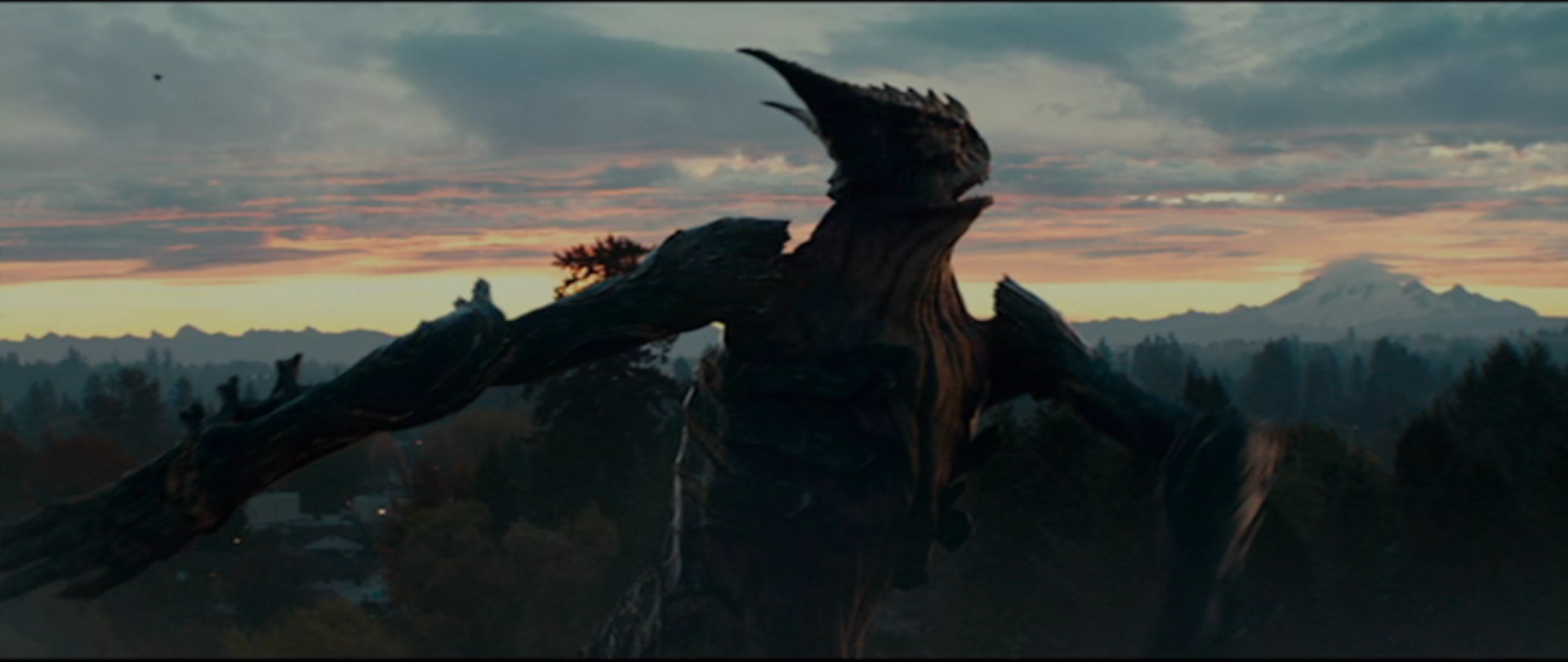
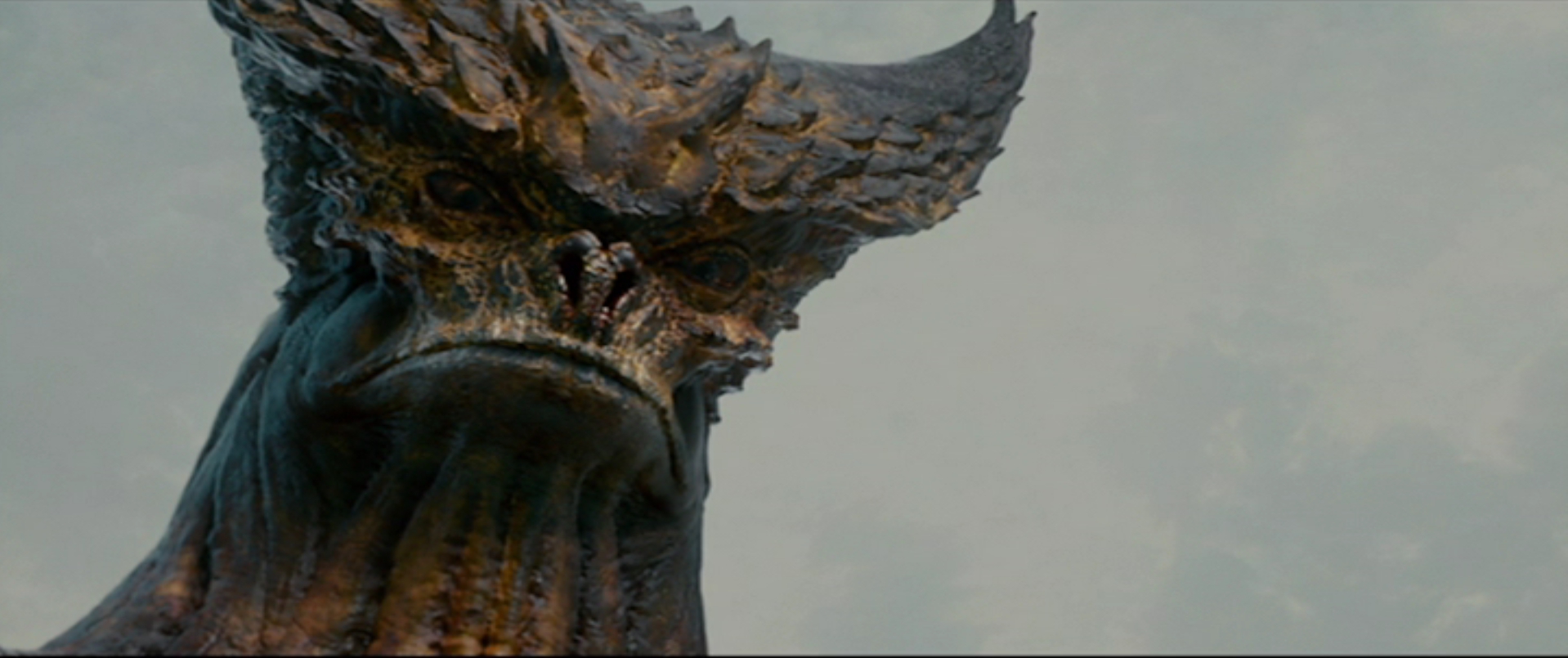
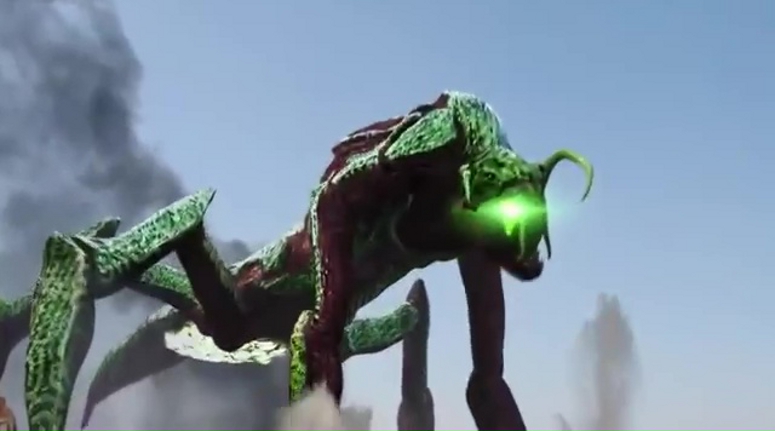
Lizzie, the mutated crocodile, is the real star, the real kaiju. Ralph the wolf is kind of near, but it doesn't have menace Lizzie does. Once she arrives, everything else is secondary. She has to be taken down. She is the most mutated of the trio, and nearly invulnerable. Where the gorilla and the wolf have soft, fleshy bodies, Lizzie is armored like a tank. She's developed gills, but these are not as vulnerable as is hoped, possibly as a nod to the 2014 Godzilla, where gunfire is ineffectively directed at Godzilla's gills. But they look pretty cool when frilled.
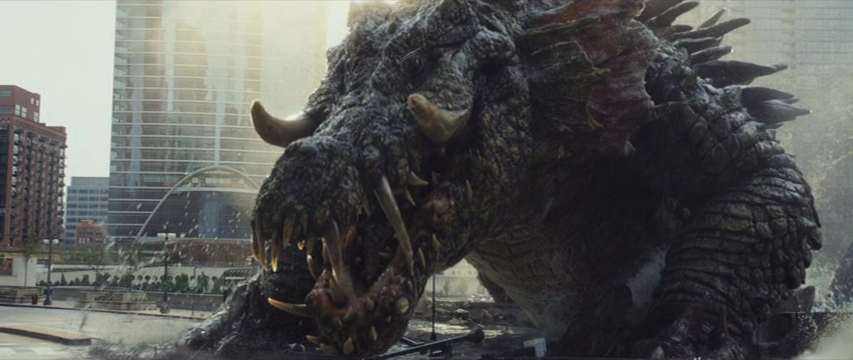
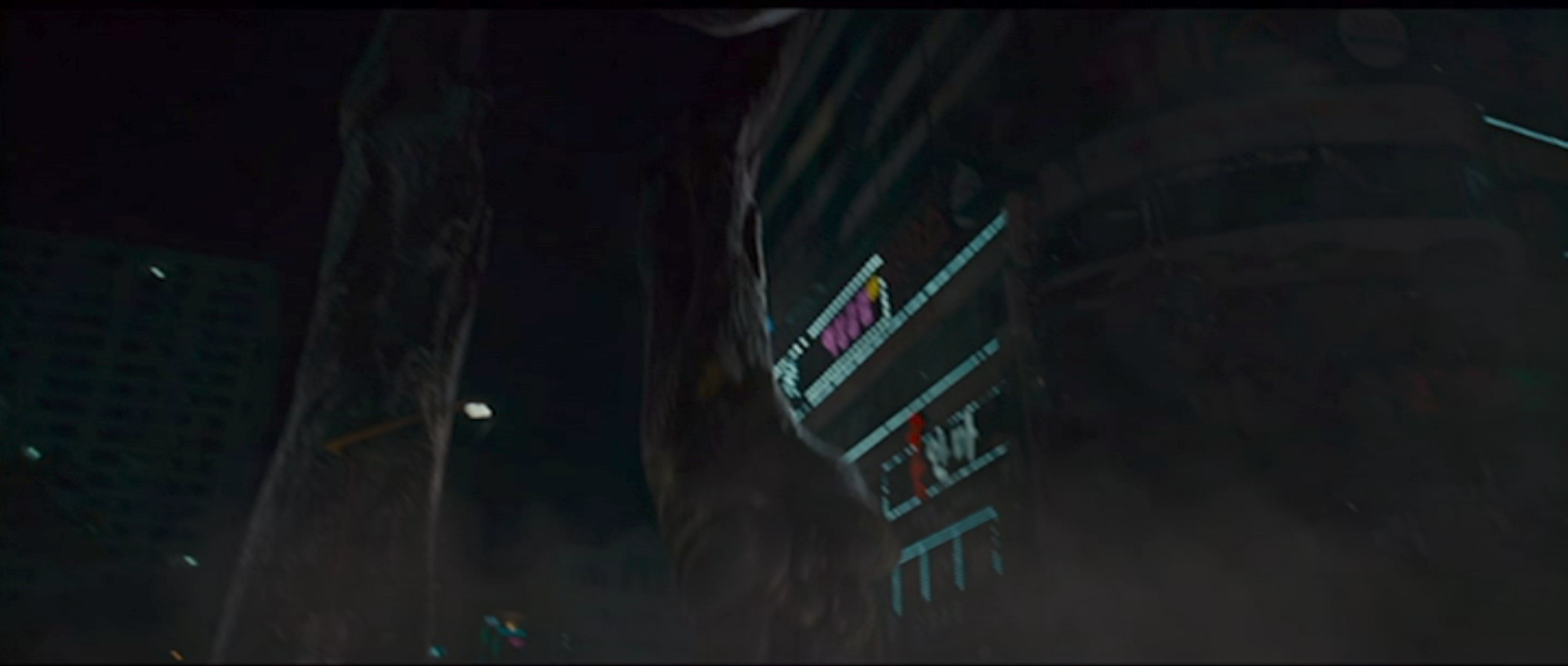
Lizzie is what makes the film a kaiju film. She’s an engine of destruction, and a strange beast. George has a personal connection to Davis, and Ralph sort of only takes out bad people. Lizzie is there to wreck shit. And she does. Whoever thought of giving a giant croc a gecko’s ability to scale walls was a either a madman or a genius, because Lizzie looks frightening and amazing as she is climbing the
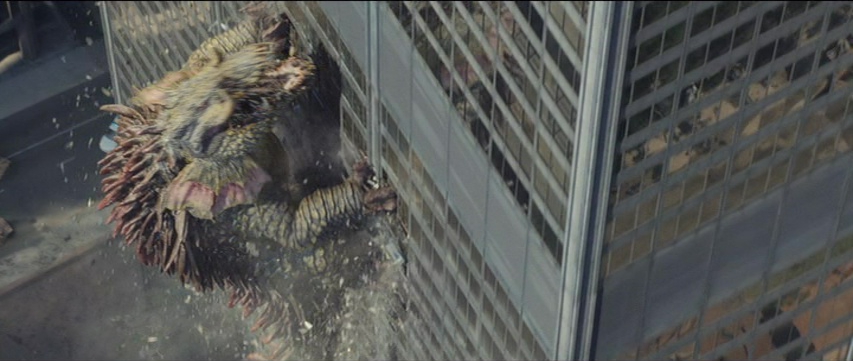
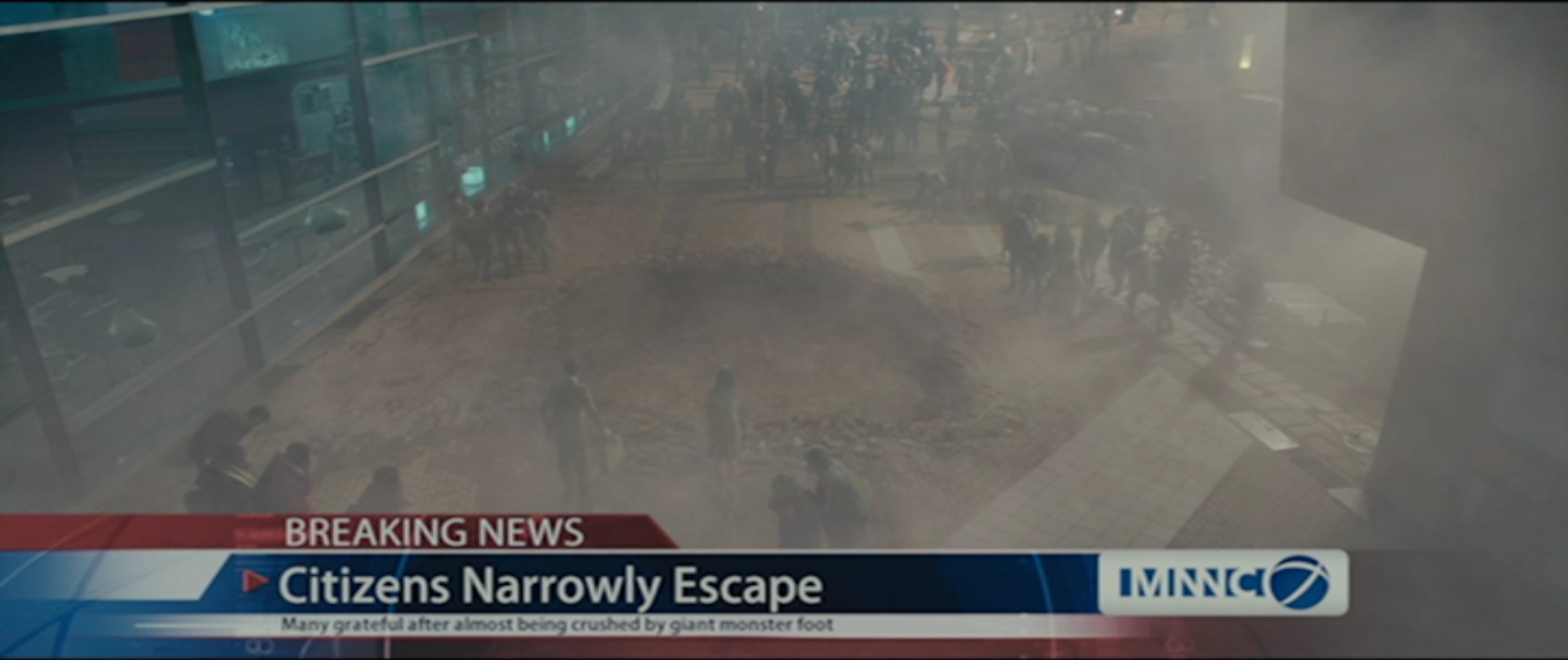
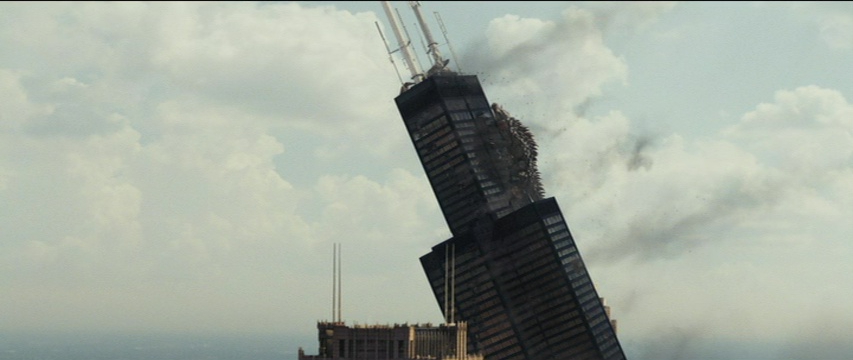
In a trope that goes all the way back to the 1925 The Lost World, we see George, Lizzie, and Ralph trashing the most distinctive building in Chicago, the Willis Tower. Because of course the big evil companies lie Energyne need a tall tower to be evil in. Still, Chicago is a nice break from Tokyo, San Francisco, and New York.
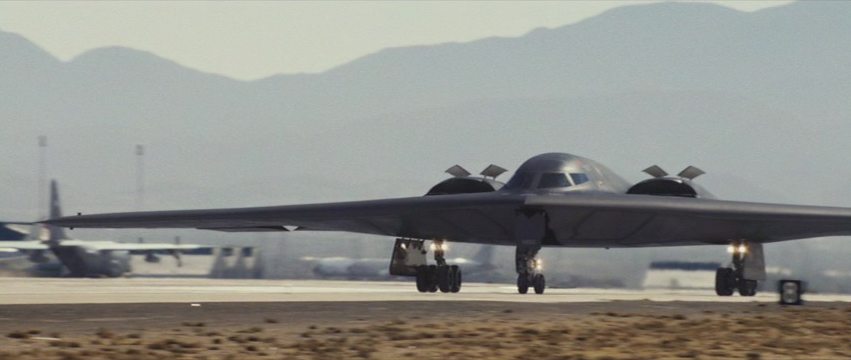
Of course the military is called out to deal with the creatures. And they are treated with respect (another lesson learned from 1998 Godzilla). In fact just about everyone who's got a name is a competent character. There's friction between the non-military government agent. But the military is not obsessed with destroying the animals, and responds to setbacks with calm, rather than going to pieces. And that was greatly appreciated. Despite this, the screenwriters didn't do as much research as I would have liked. Like Shin Godzilla, the B-2 Spirit bomber is deployed. But the Shin Godzilla team did their homework better. The MOAB deployed in Rampage is too large to fit into the Spirit's bomb bay. It's designed to be deployed out the back of a cargo plane. Interestingly, the B-2 survives Rampage where the new Godzilla cuts them out of the sky.
The end battle is brutal. While we don't get any shots of lines of people who have been hurt, the landscape is a dusty gray and filled with rubble. George and Davis really get knocked around, action hero style. It’s not quite too much, but a lot of the action had me wincing in sympathy. Also like Shin Godzilla, the Spirit Bomber provides us with a ticking clock. If Davis and George can't deal with the other two kaiju, the military is going to drop a bomb. Unlike Shin Godzilla, this time the bomb is non-nuclear. The fightthere fore is like watching a middleweight go a couple of rounds with a heavyweight in a fixed fight. George and Okoye lose and lose and lose until they win. And it should be said that similar to Kong: Skull Island this film loves
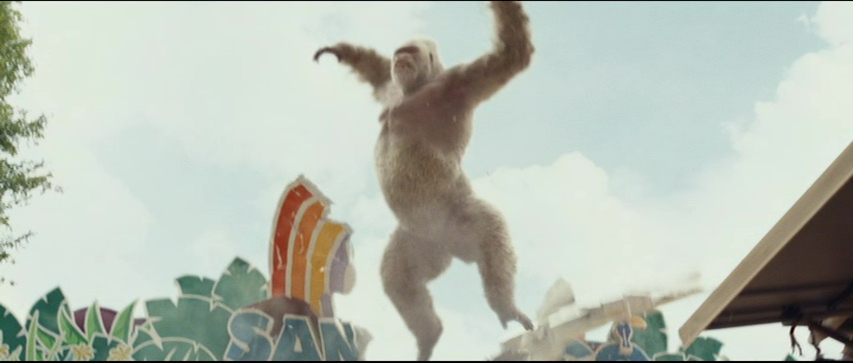
the jumping
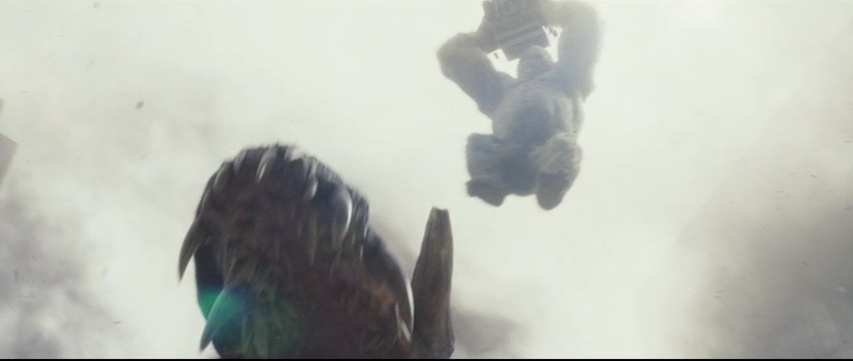
gorilla.
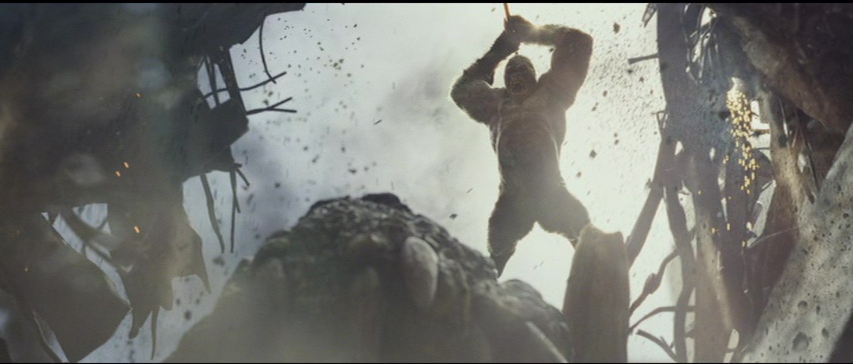
Jumping George solves the plot by putting a steel beam through the giant croc’s eye.
Apparently, the original script called for George to die, but Johnson himself campaigned for the giant gorilla to live. Which givesd the film a more upbeat ending, which it really needs, but at the same time doesn’t solve the plot’s giant monster problem. How much does George eat now? Will he get over his taste for human flesh? How the hell are they authorities going to dispose of two gigantic rotting corpses? Questions like these are part of why I like Pacific Rim so much. It looks at these questions, including kaiju excrement and body disposal, way beyond the usual kaiju film plot.
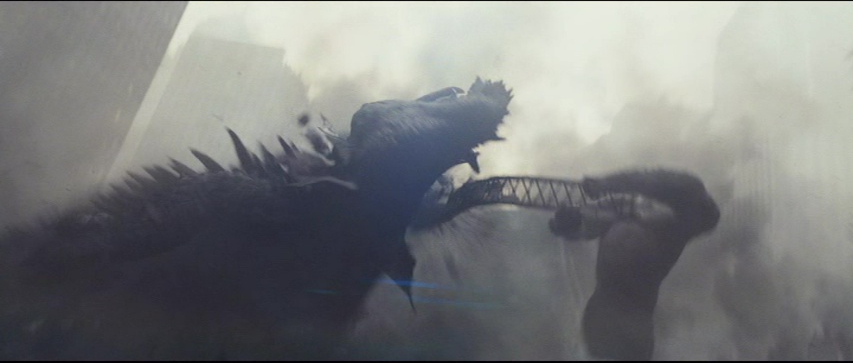
Ultimately the film is engaging, although the violence is uncomfortably brutal. I suppose I'm used to the genteel 'weapons bounce off' feel of Japanese Kaiju films. Maybe it's more honest, but whatever. It's a movie in which people survive blatantly impossible things. But the human story is pretty good, the actors giving good performances in the human plot that interacts with the monster plot. It'sd not groundbreaking drama, but it's not supposed to be. It's an action film, like any of the Fast and the Furious or Transformers films, which happens to involve kaiju. the two go together surprisingly well.




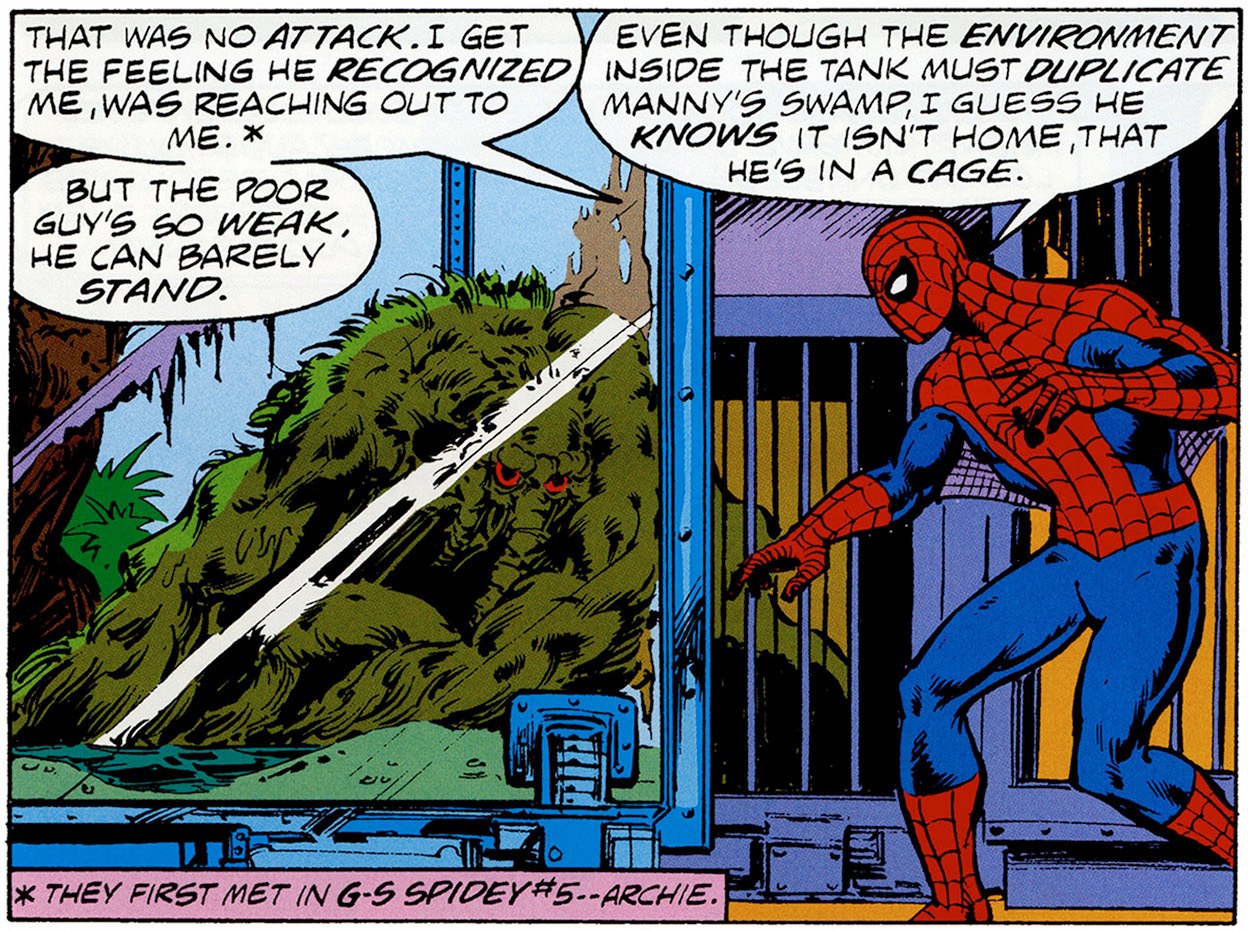 Neither Claremont not Fleischer were inexperienced writers. Claremont was in the process of writing his monumental X-Men run, one of the longest and most successful writing stints in comics history. Claremont started with a notable Man-Thing appearance in Marvel Team-Up #68, (April, 1978) introducing Man-Thing to Spider-Man, a pairing not as long-term fruitful as Man-Thing’s association with the Hulk, but a close second. This involves a very familiar prison, similar to the one Len Wein put the Swamp Thing in during the “Leviathan Conspiracy” (
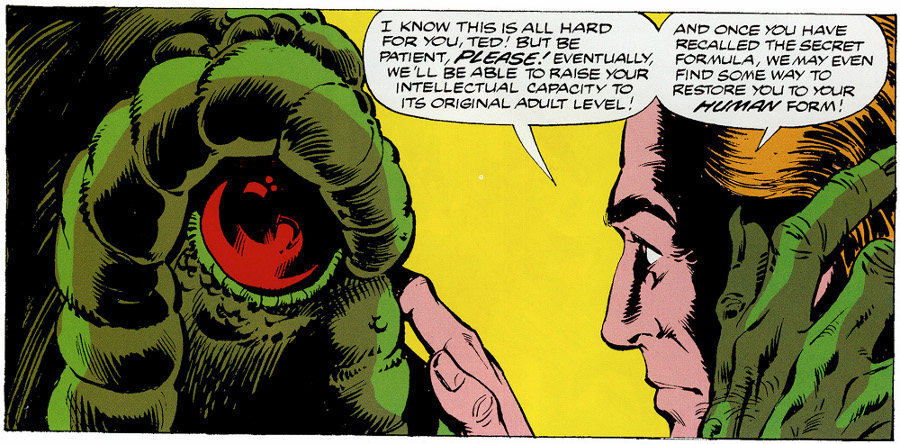 CIA Deputy Director Smathers needs someone to reproduce Ted Sallis’s formula, to he abducts biochemist Dr. Cheimer and gives him a proposal. The CIA needs the supersoldier formula, before the Russians develop their own (always with the Russians, the CIA). Cheimar agrees, and the Man-Thing is trapped. Now, it should be said that at the beginning of the Marvel Team-up with Spider-man, Man-Thing was captured by carnival folk. Now, the government is going to build a hugely expensive trap. Cheimar is working on neural regeneration, and hopes that his work can make the Man-Thing sentient again. Of course, it’s not really the CIA, and SHIELD gets involved. They stage a raid, and Cheimar is killed in the ensuing action.
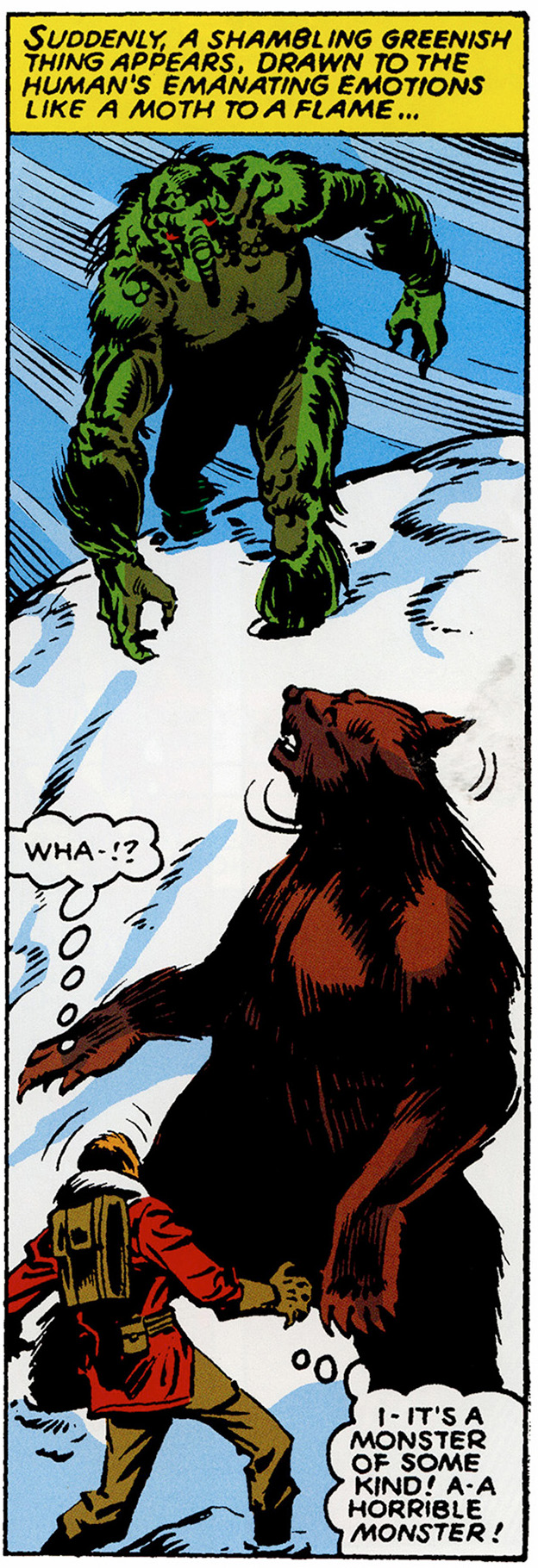 Next, the Man-Thing is teleported to the Himalayas, and is immediately beset by Himalayan wolves. And later a Himalayan brown bear. Each of these manages as well as do the gators back in Florida. Although out of its element, the Man-Thing manages to acquire some new companions, Russell and his wife Elaine, American mountain climbers in search of the Yeti. The Himalayas, are of course depicted as a series of snow-covered peaks. Where the wolves and the bear get their food, who knows. Muck monster versus bear bears some resemblance to Swamp Thing. There is a slight callback to
 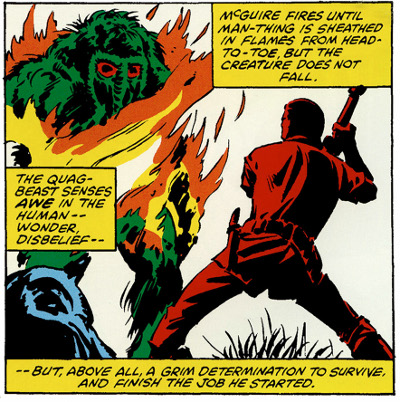 “Who Knows Fear,” issue #5 is a non-supernatural story, with Barbie, a young woman, being betrayed by a McGuire, a real bastard. He’s good-looking, setting up a simple dichotomy between the handsome man who is ugly on the inside, and the Man-Thing, ugly on the outside, but gentle and kind. The next story follows a similar plot, with a morally-bankrupt fraternity doing illegal things in order to capture the Man-Thing. Sheriff Daltry is caught in the middle of it. The plan is to make him the fear-generator that will attract the Man-Thing so the boys can spray him with defoliant. In the end, the good are rewarded, and the selfish frat boys who instigated the plan are dead. There’s more substance to the story: Claremont is a deeper writer than Flescher. He is developing a stronger supporting case, and the dichotomy between the attractive jerks and the good-but-ugly Man-Thing. Barb and Sheriff Daltry now for the new nucleus for the Man-Thing’s side characters. Barbie goes from being a fleeing victim to someone who is willing and able to fight back, which is a nice change.
 Issue nine was written by Dickie McKenzie. It’s an interesting variation on Wein’s “Sins of the Fathers” (Giant-Sized Man-Thing #5, as well as Gerber’s “Deathwatch” (Man-Thing #9). A couple run away to have their baby in the swamp, not having checked the water. They die, poisoned by a bad well, leaving the baby alive. Man-Thing receives the baby, and begins carrying it around the swamp. The baby’s gun-toting grandparents show up and attempt to take the baby, but whoever knows fear burns at the Man-Thing’s touch. Only one man is left, and the Man-Thing gives the babe to him. It's one of the very small, very personal stories and Gothic that Man-Thing can pull well, with the correct writer.
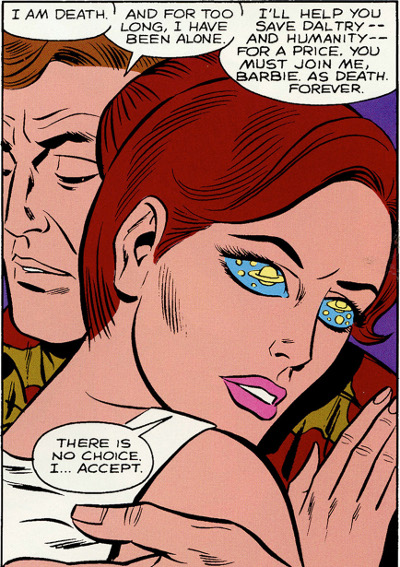 Issue eleven was Claremont’s last, and he again imitates Gerber’s sign-off, as well as tying up as many of his series threads as possible. Claremont himself is a character, and he walks into Dr. Strange’s sanctum sanctorum, and gets drawn into the book itself. There’s a lot of fighting and revisiting of old characters, including Thog the Nether-Spawn. Ultimately, it feels like the issue is Gerber’s run put through a blender. I nthe end, Death and Dr. Strange reverse everything that has been done in the issue, and Daikh the Enchanter breaks the fourth wall and says farewell to the reader. It’s a a very unsatisfying end to the series, partially because, despite putting his own spin on the story, Claremont is retreading Gerber’s much more original idea.